Upon touring the Google building this past week, Martin Reinhold’s ‘The Physiognomy of the Office’ immediately came to mind, specifically in relation to how corporate
Read more
Reading Response, Week 4
In 19th and early 20th century, telegraph and railroads where the dominant metaphor that caused seeing urban design as drawing the optimum network of transportation.
Read more
Tania Zarak – Week 4
George Hegel is astonished at seeing the spirit of the era dwelling persistently in our hands. – Kenichi Fujimoto The readings for this week discuss
Read more
Reading Response Week 4: Computing Architecture
Not having a strong background in architecture, these readings really helped me expand my perception of what architecture is or can be in a media
Read more
“The modern city exists as a haze of software instructions. Nearly every urban practice is mediated by code.” –Amin and Thift (Shepard 20)
People are wired into thinking machines and our planet is single brain is an argument supported by Mark Wigley in his article “The Architectural Brain”
Read more
When Architecture Talks Back
The concept of “space” has always been at the core of architecture and the dilemma an architect faces when creating a design. How can
Read moreReading Response Week 3: Work space evolution.
The early Marx, who touted the dignity of labor as much as he deplored its exploitation, declared that man is “free only” when he “recognizes
Read more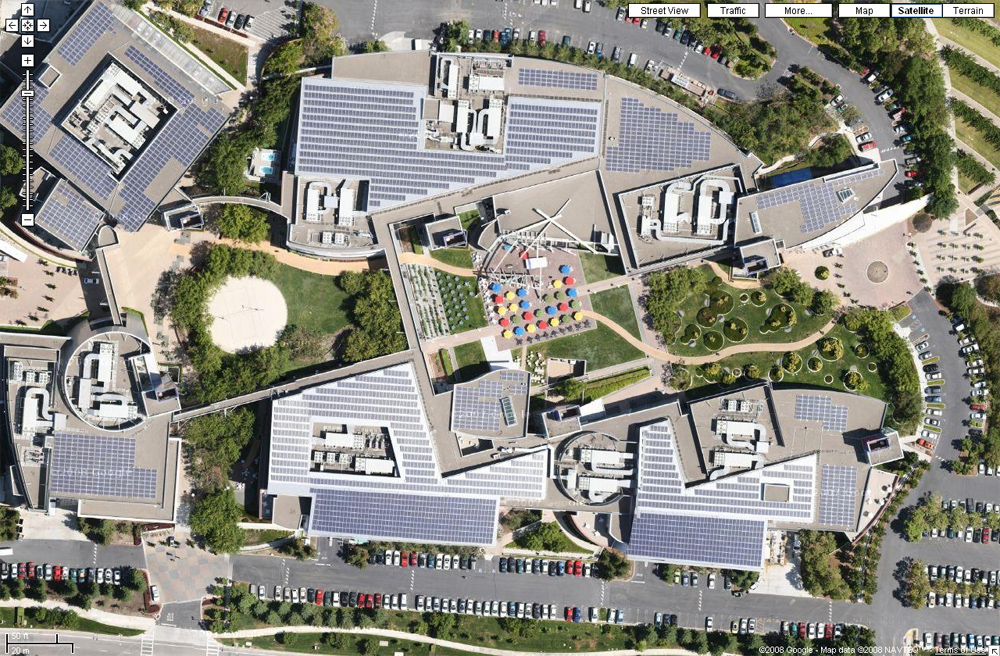
The Computer Era: Creativity vs. Cubicle Culture
In this day and age it is impossible to ignore the growing presence of the machine in every aspect of human life, to the point
Read more
“[e]very feature of the man created environment has [an] inherent physiognomy [and] thus is an object of communication”
Gregory Kepes declares in his notes leading up to the publication of The New Landscape in Arts and Science “[e]very feature of the man created
Read more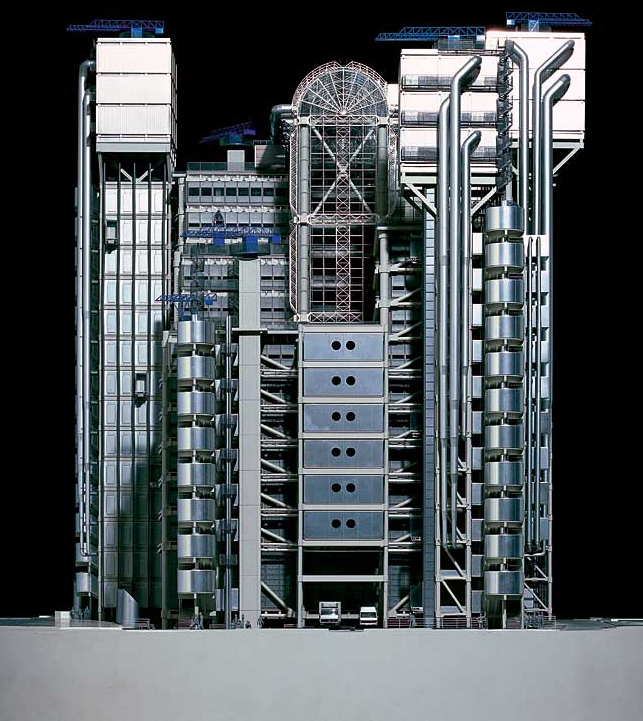
Souls in the New Machine – Week 3 Response
Above: Richard Rogers – model2 (90682) – Meet the new boss, same as the old boss. Paxton’s ideals find representation through appropriation on Richard Rogers
Read more