While tracing through Ackerman’s “On The Origin of Architectural Photography,” Pelizzari’s “Traces of India”, Sarraino’s “Framing Icons,” and various articles and websites I felt that
Read moreReading Response Week 9
Reading Response Week 9 James Ackerman’s chapter introduces us to the history of photography as a form of architectural documentation. As he explains, it makes
Read moreReading Response: Week 9: "Two Basic Principles"
“But accepting these limitations, we can still see in the history of architectural photography two basic principles: first, that modes of representation are not significantly
Read moreInvisible
Perhaps what is most striking about this week’s readings is both how much, and how little, the invisible population is in architectural photography, and how
Read more
Photography: Building Realities
Photography and architecture are both experienced subjectively; one’s own personal biases and past experiences often enter the picture (no pun intended). As Ackerman states, “photographic
Read moreReading Response Week 9
With photography, came the possibility of stopping time, of freezing a moment and claiming it as your own. The possibilities that this new technology opened
Read moreWeek 8 – High Line
Reading Response Week 8 I remember before the High Line had a name people would talk about how “they” were turning the raised train tracks
Read more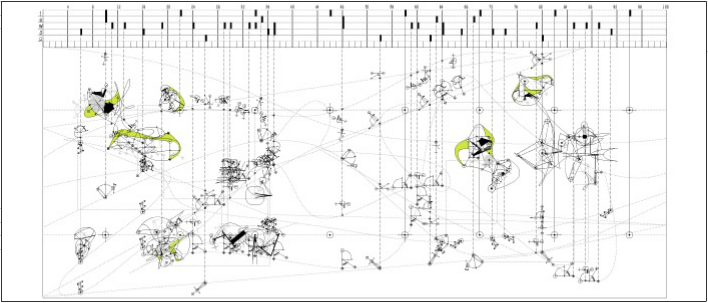
WEEK 9 RESPONSE – The Reductive Catalog
ABOVE: KBAS Studio ‘Plan for Vaclavske Namesti’ (2005) Ideas about people and habitation, not stylistic tropes, act as the inspiration for an architectural masterplan. Most architects
Read moreThe High Line; Re-purpose with a Purpose
The High Line is a very unique structure to New York-allowing us New Yorkers to rise above the crowded bustle of the city streets without
Read more
Tania Zarak – Week 9
ON THE ORIGINS OF ARCHITECTURAL PHOTOGRAPHY Photographic images cannot simply be read as reflections of reality, but must depend on various elements of choice (of
Read more